

Kevin Doran
Machine learning. Investigating animal vision in the Tom Baden Lab (PhD). Previously an R&D engineer at Weta Digital. Email: firstname at this domain
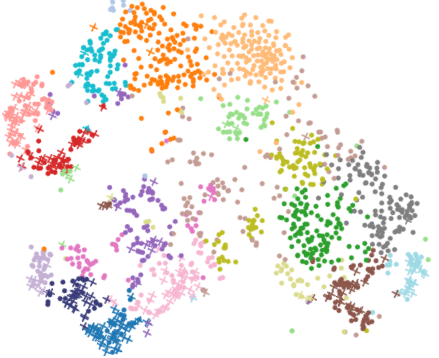
Proxy-based contrastive learning for retinal ganglion cell embeddings using response repeats
This post uses one of the most basic contrastive learning techniques to get nice cell embeddings using multiple stimulus-response repeats from a recording of retinal ganglion cells. The approach is known as proxy-based metric learning, and I use it here to group similarly responding ganglion cells from a Xenopus retina recording. more
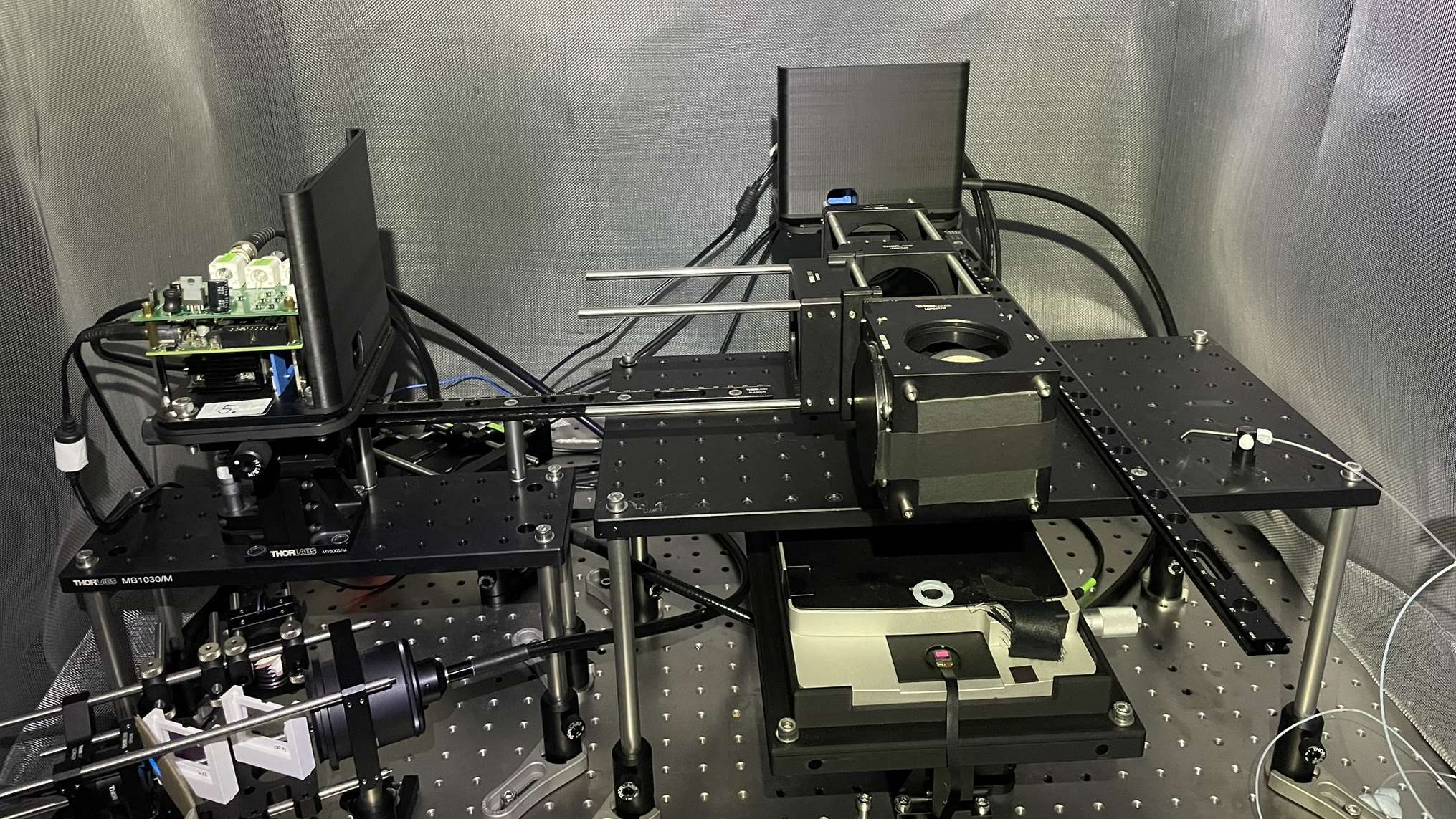
Multi-electrode array recordings
A few posts describing parts of the multi-electrode array setup I've been working on in Tom Baden's lab.
- Light path alignment
- Align and snapshot the light path. Using a Raspberry Pi camera to capture alignment images and calculate a homography and intensity map for the light path.
- Retina press
- 3D-printed cap for improving contact of retinal tissue with a multi-electrode array.
- Messages on the trigger line
- Encode utf-8 messages on the trigger channel.
Edge Selection for the Effective use of Piecewise-Constant Distributions as Neural Network Outputs for Event Prediction (preprint)
We study the output representation of a neural network used for next event prediction. We propose partitioning the time axis into a fixed set of intervals and having a neural network output a categorical distribution over them, which we map to a (mostly) piecewise-constant probability density. We present an optimization procedure that selects interval edges in order to maximize data likelihood under the representation. The representation is well suited to processes whose inter-event distribution is a mixture of smooth and sharply peaked components—a pattern we find common in event data recorded from real-world processes. [arxiv page] [arxiv pdf]
On shifted noise for 2D receptive field estimation
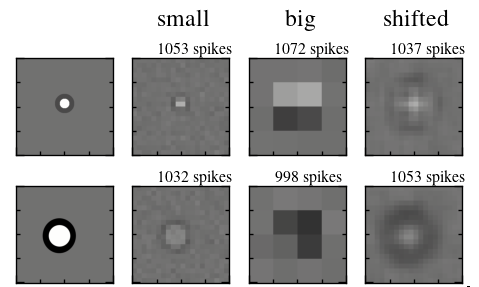
An empirical test of shifted noise for estimating 2D receptive fields. Results support the idea that shifted noise cannot be thought of as a drop-in replacement for vanilla checkerboard noise. more
Four ways (two bad, two good) of calculating 2D receptive fields from spike snippets
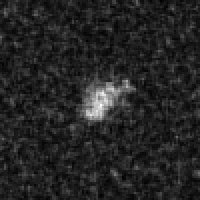
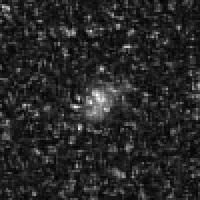
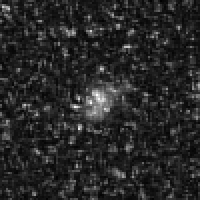
Collecting a window of stimulus data around every spike in a recording of neurons is a common analysis step in neuroscience. The mean of these snippets is termed the spike-triggered average (STA). If you want to collapse this down to 2D, there are a few options. I've seen people use the variance of the snippets, which I think is not a good approach. A better approach is to rephrase the problem in terms of likelihood. more
Frame registration and cell detection for 2-photon recordings
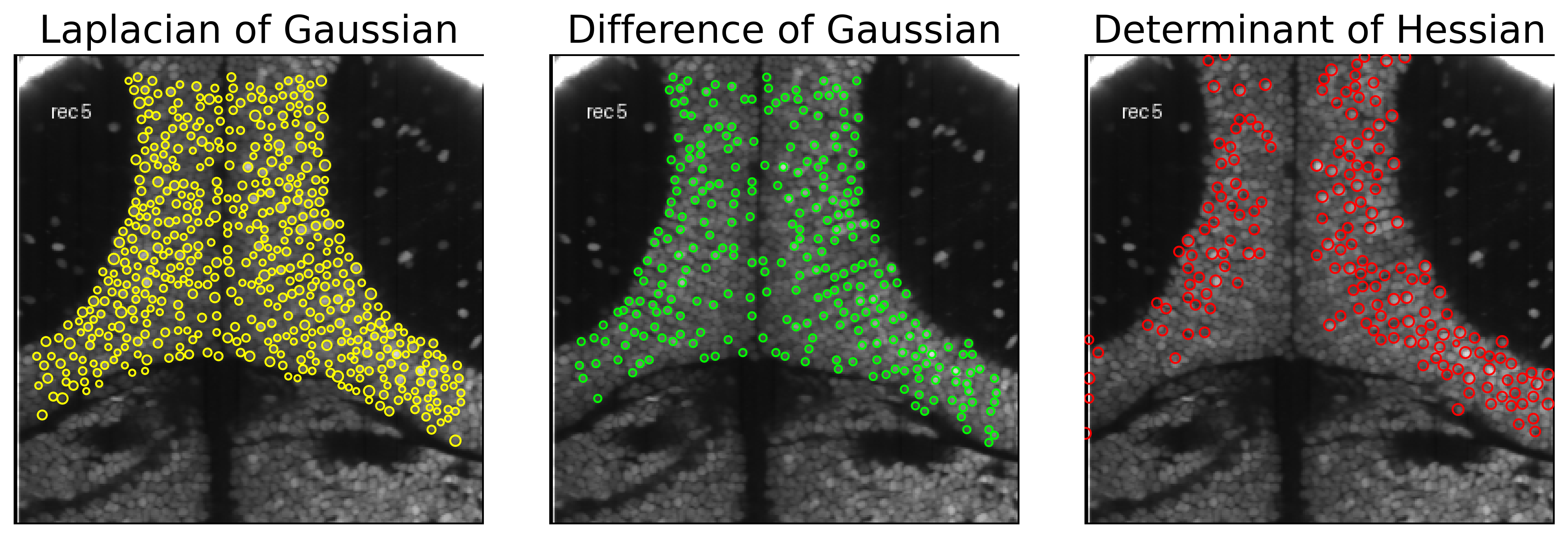
I worked on a project that involved carrying out 2-photon recording of the tectum of a zebrafish larva. For a single larva, we recorded 14 recordings, each 15 minutes long followed by an approximately 2-minute gap. The larva moved around, especially at the beginning, and to extract cell traces, we first needed a way to align frames and detect cells within and across recordings. more
Robust learning rate finder with Kalman smoothing
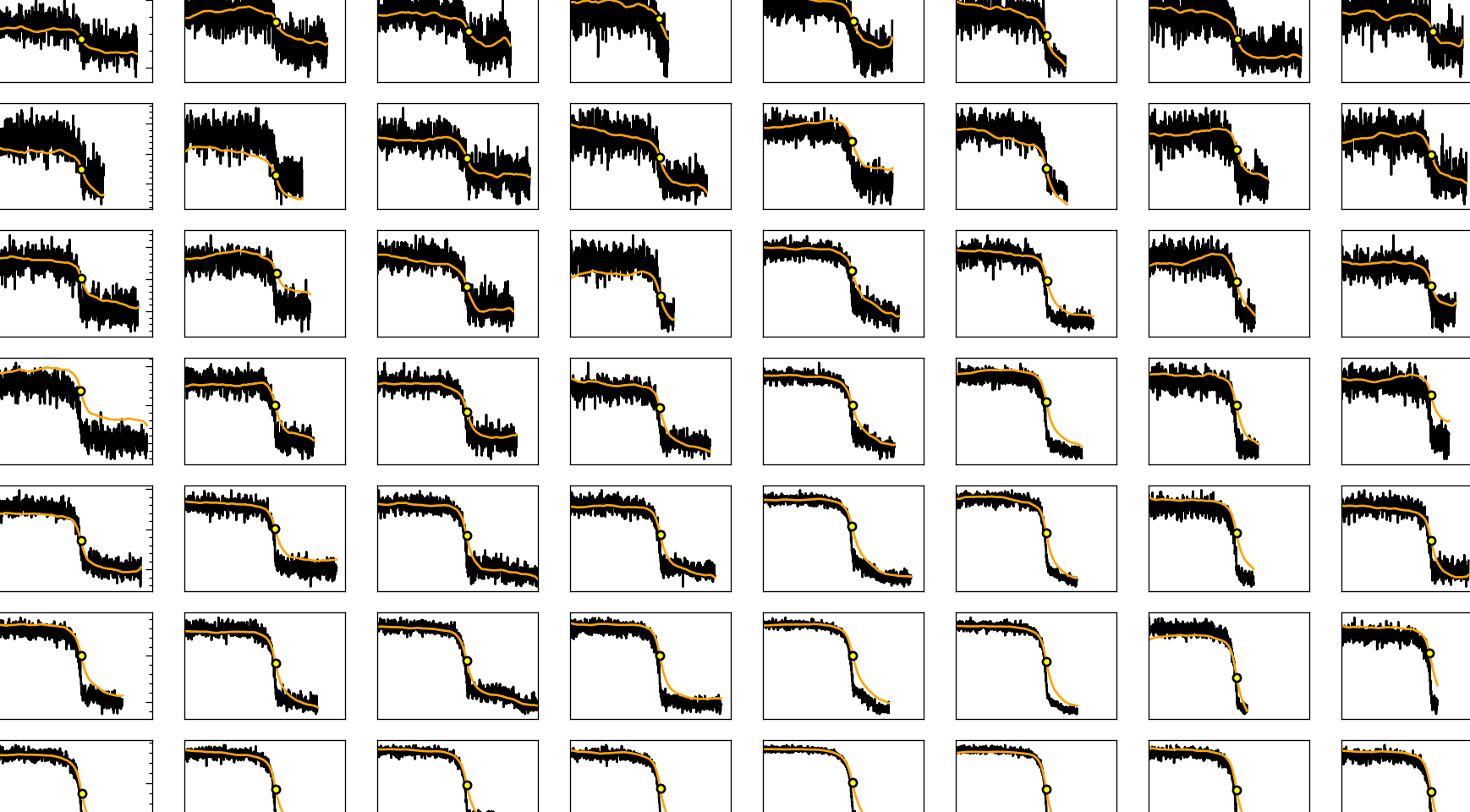
Kalman smoothing can be applied to the learning rate range test to produce smooth learning rate curves from which a learning rate can be chosen. more
Spike distance function as a learning objective for spike prediction

A learning objective that embraces the nature of spikes (or any other events): discrete points in continuous time. This learning objective allows models to predict the timing of spikes with both high and low temporal precision. For comparison, predictions when using the Poisson learning objective are also shown above. [paper page] [paper pdf]
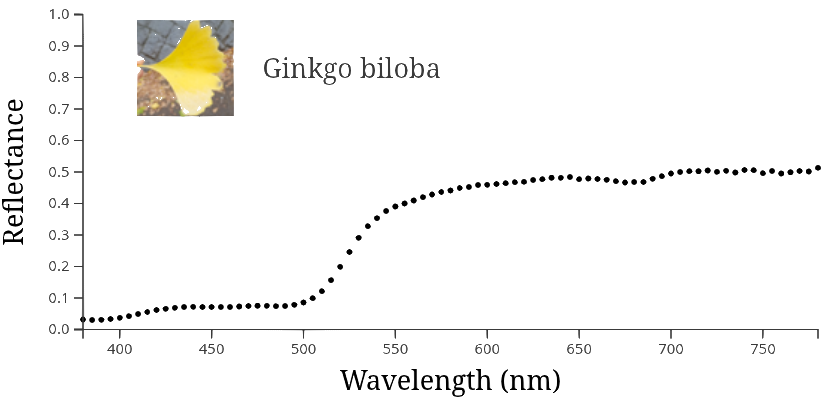
Neural networks and color
This is a project to see if anything can be learnt by drawing parallels between human color perception and neural networks trained for vision tasks. more
Motivating ELBO from importance sampling
The evidence lower bound expression appears naturally when you try to sample the posterior distribution with an approximate distribution. I think this way of arriving at the evidence lower bound is more intuitive and reveals more about why concessions are being made. more
Inside neural network training
Some videos showing how weights, activations and gradients change at every step as a network is trained. more
Anki notes
I've exported some of my Anki decks. Most of the content is on the answer side of each card. If you aren't using Anki, I invite you to read Michael Nielsen's argument for it.
2021's Summer of Math Exposition
The following are some posts made for 3Blue1Brown's Summer of Math Exposition. They are attempts to make clear and memorable math explainers for a wide audience.